

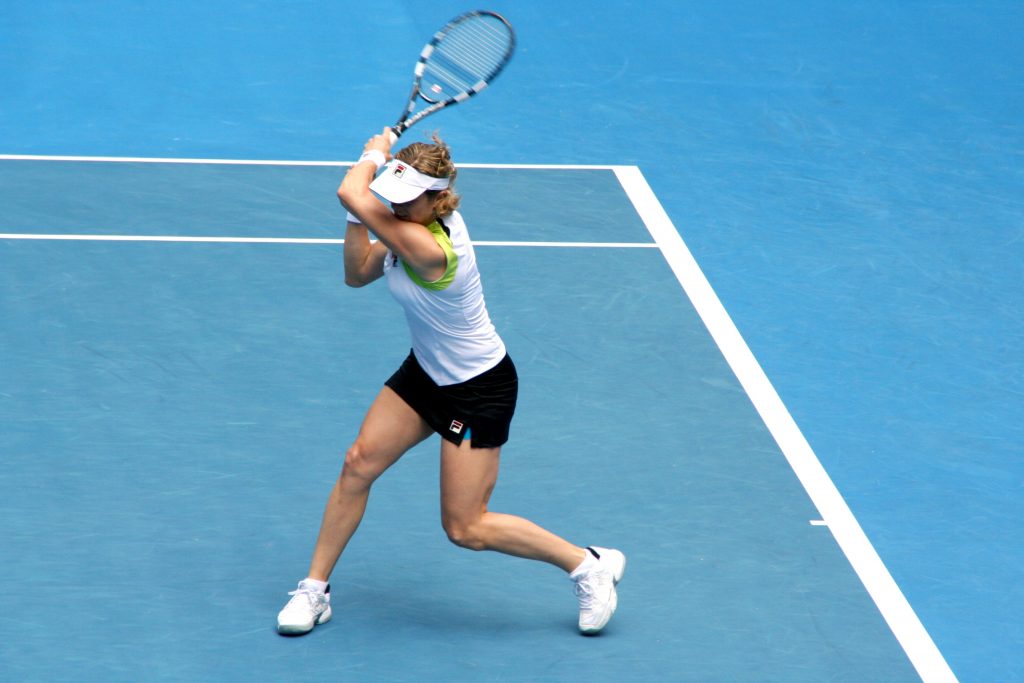
Tennis is a fast-paced, repetitive sport that places considerable demands on the body. Whether you are a recreational player enjoying weekend matches or a competitive athlete training several times a week, the physical stresses involved in serving, sprinting, changing direction, and repeated racket movements can lead to injury.
Many tennis-related injuries begin as mild discomfort before gradually progressing into more persistent problems. Unfortunately, players often continue playing through pain, assuming the issue will settle on its own. In many cases, delaying assessment can allow a relatively minor injury to worsen, prolong recovery time, and increase the likelihood of compensatory movement patterns developing elsewhere in the body.
A thorough assessment from a Chartered Physiotherapist is essential to accurately identify the source of pain, understand contributing factors, and determine the extent of tissue involvement. Tennis injuries can affect the shoulder, elbow, wrist, knee, ankle, and lower leg, and symptoms are not always as straightforward as they first appear.

The commonly known “Tennis Elbow” is just one of numerous injuries which are common amongst tennis players!
Shoulder Injuries in Tennis
The shoulder is one of the most heavily used joints in tennis, particularly during serves and overhead shots. Repetitive loading and high-velocity arm movements can place significant strain on the muscles, tendons, and soft tissues surrounding the shoulder.

Subacromial Bursitis
Subacromial bursitis involves irritation and inflammation of the bursa located beneath the acromion at the top of the shoulder. A bursa is a small fluid-filled sac that helps reduce friction between tissues.
In tennis players, repetitive overhead activity can cause the bursa to become compressed and irritated, often resulting in pain when lifting the arm, serving, or reaching overhead. Symptoms may gradually worsen over time, particularly if shoulder mechanics are altered.
A detailed physiotherapy assessment is important because shoulder pain can originate from several structures simultaneously. What initially appears to be bursitis may also involve rotator cuff dysfunction, postural issues, or altered movement control around the shoulder blade.
Long Head of Biceps Tendinopathy
The long head of the biceps tendon runs through the front of the shoulder and plays an important role in shoulder stability and force generation during racket movements.
Repeated overhead actions and forceful acceleration during serves can overload this tendon, leading to irritation or degeneration. Players often report pain at the front of the shoulder, particularly during serving, lifting, or after prolonged play.
Because symptoms from biceps tendinopathy can closely resemble other shoulder conditions, a thorough clinical assessment is essential to determine whether the tendon itself is the primary source of symptoms or whether it is being affected by underlying shoulder instability or rotator cuff dysfunction.
Rotator Cuff Strains and Tears
The rotator cuff is a group of four muscles and tendons responsible for stabilising and controlling movement of the shoulder joint.
Tennis places repetitive stress on the rotator cuff, particularly during overhead serves and powerful forehand strokes. Injuries may range from minor strains involving microscopic tissue damage to more significant partial or full-thickness tears.
Symptoms can include weakness, pain during movement, reduced power during serves, night pain, or difficulty lifting the arm. Some tears may develop gradually over time, while others occur suddenly following forceful movements.
Early assessment is particularly important with rotator cuff injuries because symptoms do not always reflect the severity of tissue involvement. Some players continue functioning relatively well despite significant structural damage, while others experience substantial pain with comparatively minor injury.
Elbow and Wrist Injuries
The repetitive gripping and swinging actions involved in tennis can place substantial strain on the forearm muscles and tendons.

Tennis Elbow (Lateral Epicondylitis)
Despite its name, tennis elbow affects both tennis players and non-tennis players alike. The condition involves irritation of the tendons attaching to the outside of the elbow, commonly due to repetitive wrist extension and gripping.
Players may notice pain on the outer aspect of the elbow during backhand shots, gripping the racket, lifting objects, or even everyday activities such as turning door handles.
Tennis elbow can develop gradually and may persist for prolonged periods if underlying contributing factors are not identified. A Chartered Physiotherapist can assess not only the elbow itself, but also the shoulder, wrist mechanics, grip patterns, neck function, and loading patterns that may be contributing to excessive stress on the tendon.
De Quervain’s Tenosynovitis
De Quervain’s tenosynovitis affects the tendons located on the thumb side of the wrist. Repetitive gripping and wrist movements associated with racket sports can irritate the tendon sheath, resulting in pain and swelling around the base of the thumb.
Players may experience discomfort during gripping, twisting movements, or lifting objects. In some cases, symptoms can become increasingly limiting during everyday activities.
An accurate assessment is important because wrist and thumb pain may originate from several different structures, including ligament injuries, tendon irritation, or joint-related conditions. Identifying the exact source of symptoms helps ensure the injury is correctly understood from the outset.
Knee Injuries in Tennis
Tennis involves repeated acceleration, deceleration, pivoting, and lateral movements, all of which place substantial forces through the knee joint.

Medial Collateral Ligament (MCL) Sprains and Tears
The medial collateral ligament is located on the inner side of the knee and helps provide stability against sideways forces.
MCL injuries commonly occur during sudden changes of direction, awkward twisting movements, or direct force applied to the outside of the knee. Symptoms can include pain along the inner knee, swelling, tenderness, and instability.
The severity of MCL injuries can vary considerably, ranging from mild sprains to more significant ligament tears. A comprehensive physiotherapy assessment helps determine the degree of instability present and whether additional structures within the knee may also be involved.
Anterior Cruciate Ligament (ACL) Tears
The anterior cruciate ligament is one of the major stabilising ligaments within the knee joint. ACL injuries are often associated with sudden pivoting movements, rapid deceleration, or awkward landings.
Players frequently report hearing or feeling a “pop” at the time of injury, followed by swelling, instability, and difficulty weight-bearing.
Early assessment is vital following suspected ACL injury because associated damage to other structures, including the menisci or cartilage surfaces, is relatively common. Identifying the full extent of injury as early as possible helps guide appropriate onward management and decision-making.
Meniscal Tears
The menisci are two cartilage structures within the knee that help absorb shock and improve joint stability.
Twisting movements under load can cause the meniscus to become irritated or torn. Symptoms may include pain, swelling, clicking, locking, or difficulty fully straightening the knee.
Meniscal symptoms can sometimes mimic other knee conditions, making accurate clinical examination particularly important. The location, pattern, and mechanism of symptoms often provide valuable information regarding the type and extent of injury.
Ankle and Lower Leg Injuries
Quick directional changes and explosive movements in tennis place significant demands on the ankle and calf complex.

Anterior Talofibular Ligament (ATFL) Sprains and Tears
The anterior talofibular ligament is one of the most commonly injured ankle ligaments. ATFL injuries typically occur when the foot rolls inward during sudden movements or awkward landings.
Symptoms may include swelling, bruising, pain around the outside of the ankle, and instability when walking or changing direction.
Although many ankle sprains are initially dismissed as minor injuries, incomplete assessment can result in ongoing instability, recurrent sprains, or altered movement patterns affecting other areas of the body. A detailed physiotherapy assessment can help determine whether the injury involves isolated ligament damage or additional structures within the ankle joint.
Achilles Tendinopathy
The Achilles tendon connects the calf muscles to the heel bone and plays a major role in running, pushing off, and explosive movement.
Repeated loading during tennis can lead to irritation or degeneration within the tendon, commonly causing pain and stiffness in the back of the heel or lower calf. Symptoms are often worse after activity or during the first few steps in the morning.
Achilles pain can develop gradually and may initially seem manageable, leading many players to continue training despite symptoms. Early physiotherapy assessment is important because persistent tendon overload can progressively reduce the tendon’s ability to tolerate force.
Why Early Physiotherapy Assessment Matters
Many tennis injuries do not exist in isolation. Pain experienced in one area of the body may be influenced by weakness, stiffness, altered biomechanics, movement compensations, or loading issues elsewhere.
A thorough assessment from a Chartered Physiotherapist involves far more than simply identifying where pain is located. Assessment may include:
- Detailed discussion of symptom history and mechanism of injury
- Analysis of movement patterns and biomechanics
- Assessment of joint mobility and muscle function
- Examination of ligament, tendon, and soft tissue integrity
- Identification of contributing factors that may increase injury risk
- Evaluation of functional limitations relevant to tennis performance
Early assessment is particularly valuable because it helps identify problems before they become more complex or longstanding. Continuing to play through pain without understanding the underlying cause may lead to secondary issues, compensation injuries, or prolonged absence from sport.
In many cases, symptoms that appear minor initially can progress significantly if loading patterns and movement dysfunctions are not recognised early. Equally, some more serious injuries may present with relatively manageable symptoms in the early stages.
The Importance of Accurate Diagnosis
An accurate diagnosis provides clarity. It helps tennis players understand what structures are involved, why symptoms may have developed, and whether additional investigations or onward referral may be appropriate.
Because many tennis-related conditions share overlapping symptoms, self-diagnosis can often be misleading. For example, shoulder pain may involve several structures simultaneously, knee swelling may result from multiple possible injuries, and persistent elbow pain may originate from movement issues elsewhere in the upper limb.
A Chartered Physiotherapist is trained to assess the body as a whole, helping to distinguish between similar presentations and identify contributing factors that may otherwise be overlooked.
Physiotherapy Assessment for Tennis Injuries in Maidenhead
At PhysioFitness Physiotherapy Maidenhead, we provide detailed physiotherapy assessments for a wide range of tennis-related injuries affecting recreational and competitive players alike.
Whether symptoms have developed gradually over time or following a specific incident on court, early assessment can help establish a clear understanding of the problem and support informed decision-making moving forward.
If you are experiencing shoulder pain, elbow discomfort, knee instability, ankle sprains, or persistent tendon-related symptoms associated with tennis, seeking prompt assessment from a Chartered Physiotherapist can be an important first step.
For more information or to arrange an assessment, visit https://www.physiotherapymaidenhead.co.uk